Self-watering planters are a great way to keep your plants healthy and thriving without the need for constant attention. They work by using a reservoir of water in the bottom of the planter that slowly releases moisture to the soil as needed. In this ultimate guide, we'll go over everything you need to know about using self-watering planters.
Choosing the Right Planter
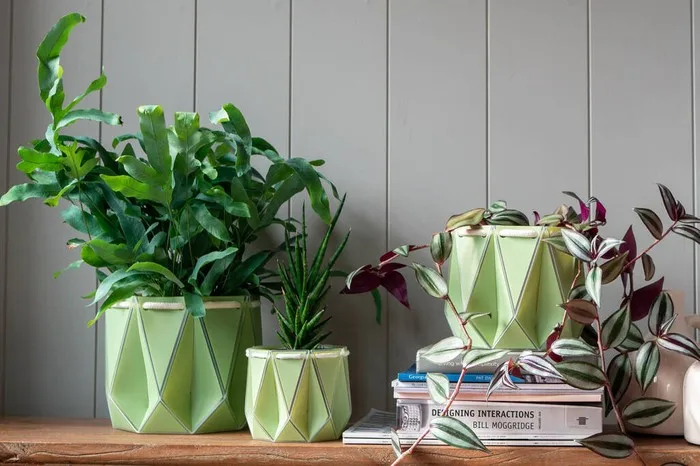
When choosing a self-watering planter, consider factors such as the size of your plant, the amount of sunlight it receives, and the type of soil you plan to use. Make sure the planter has a good drainage system and is made of sturdy materials. You can find self-watering planters in a variety of shapes, sizes, and materials such as plastic, ceramic, and metal.
Prepping the Planter
Before planting, it's important to prep the planter. Fill the reservoir with water first and let it sit for a few hours to make sure the soil doesn't soak up all the water right away. Next, add a layer of gravel or rocks at the bottom of the planter to aid in drainage. Finally, add a layer of potting soil on top of the gravel, leaving enough room at the top for your plant.
Planting
When planting in a self-watering planter, it's important to ensure that the soil is moist. This will help to establish the roots of your plant and ensure it grows healthy and strong. Make sure that the roots are properly covered with soil, and avoid overcrowding the planter with too many plants. Additionally, be mindful of the height of the soil and ensure that it doesn't overflow into the water reservoir. Once planted, gently press down on the soil to ensure it's compact and secure. This will help the soil to retain moisture and ensure that your plant gets the nutrients it needs to thrive.
Watering
Self-watering planters are a convenient solution for those who want to grow plants, but don't have the time or availability to water them regularly. However, it's important to keep an eye on the water level in the reservoir, so your plant doesn't suffer from lack of water. Refill the reservoir when it's about halfway empty, to ensure your plant gets the right amount of moisture. Over-watering can be just as harmful as under-watering, so be sure to avoid filling the reservoir too much. If you live in a hot and dry climate, you may need to refill the reservoir more frequently to keep your plant healthy and thriving.
Maintenance
Self-watering planters are low-maintenance, but it's important to keep tabs on the health of your plant. Check the leaves and stems for signs of disease or pests, and take action promptly if you notice any issues. Removing dead leaves and flowers not only keeps your plant looking tidy but also prevents rotting and the attraction of pests. Regular inspection and maintenance will ensure your self-watering planter continues to thrive and bring life to your space.
Troubleshooting
If you notice that your plant is not thriving, it could be due to a few reasons. Check the water level in the reservoir, and ensure that the soil is not compacted or too dry. Additionally, make sure that the planter is not placed in direct sunlight for extended periods, as this can cause the soil to dry out quickly.
In conclusion, self-watering planters are an excellent way to ensure your plants receive the right amount of water without the need for constant attention. With these tips and tricks, you can have a thriving garden all year round. Remember to choose the right planter, prep the planter properly, water appropriately, and maintain your plants regularly. Happy planting!
评论
发表评论