Caring for Turtles, Starting with a Turtle Tank: Why a Turtle Tank is the Ideal Environment for Pet Turtles
Turtles can make wonderful pets for people of all ages. They are fascinating creatures with unique personalities, and they can live for many years with proper care. One of the most important aspects of turtle care is providing a suitable environment, and that's where a turtle tank comes in.
A turtle tank is an ideal environment for pet turtles for several reasons. First and foremost, it allows you to control the temperature and other conditions in the tank to ensure that your turtles are comfortable and healthy. A turtle tank also provides a safe and secure place for your turtles to live, with plenty of space to explore and swim.
When setting up a turtle tank, there are several factors to consider. These include the size and type of tank, the type of substrate and decorations to use, and the equipment needed to maintain the tank. Let's take a closer look at each of these factors.
Size and Type of Tank
The size and type of tank you choose for your turtles will depend on the number and size of your turtles, as well as the space you have available. As a general rule, you should aim for a tank that is at least four times as long as your turtle's shell and two times as wide.
In terms of the type of tank, there are several options to choose from. Glass aquariums are popular choices, as they provide a clear view of your turtles and are easy to clean. Plastic tubs are also a viable option, as they are lightweight and easy to move around. However, these may not be as visually appealing as glass tanks.
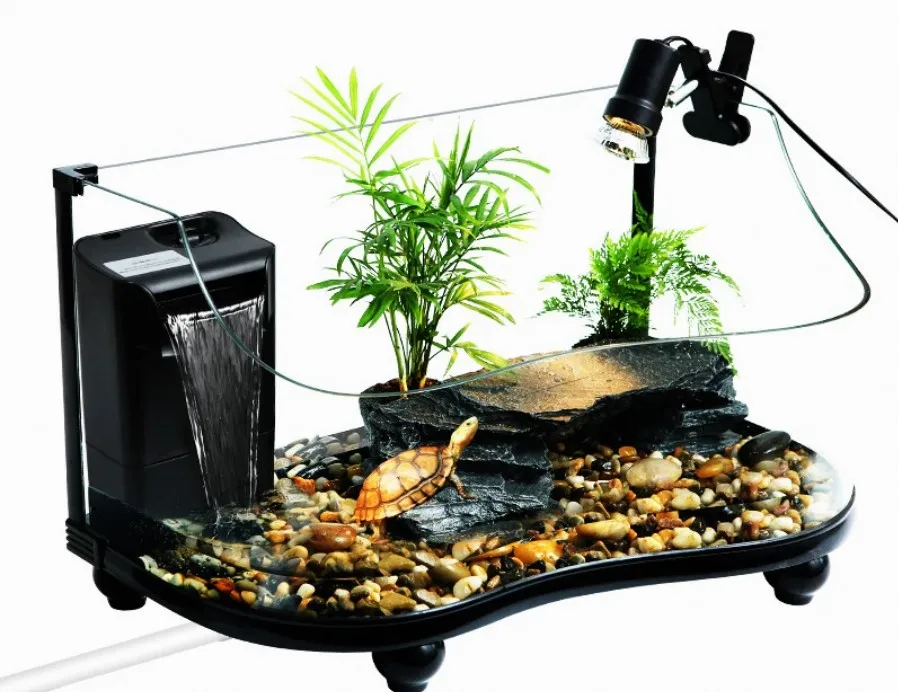
Substrate and Decorations
The substrate and decorations you choose for your turtle tank can help create a comfortable and stimulating environment for your turtles. Some popular substrate options include gravel, sand, and aquatic plants. It is important to note that some turtles may ingest small rocks or gravel, so it's best to use larger stones and rocks or a fine sand substrate.
Decorations can also add visual interest to the tank and provide hiding spots for your turtles. Some suggestions include rocks, driftwood, and artificial plants. You can also add a basking spot, such as a log or rock, for your turtles to sun themselves.
Equipment Needed
Maintaining a clean and healthy turtle tank requires some equipment. A filter is essential to keep the water clean and clear, and a heater is necessary to maintain the appropriate temperature range for your turtles. A basking light is also essential to provide warmth and UVB lighting for your turtles. A thermometer and hygrometer can be used to monitor the temperature and humidity levels in the tank, respectively.
Water changes are also necessary to keep the tank clean and maintain water quality. The frequency of water changes will depend on the size of the tank and the number of turtles in it, but as a general rule, you should aim to change 25-50% of the water every week.
In addition to these basic equipment needs, you may also want to consider adding a water conditioner, which can help neutralize harmful substances in the water, and a pH testing kit, which can help ensure that the water is within the appropriate pH range for your turtles.
Taking Care of Your Turtles
Once you have set up your turtle tank, it's important to provide proper care for your turtles. This includes feeding them a balanced diet that is appropriate for their species, providing regular veterinary check-ups, and monitoring their behavior and health.
Turtles are omnivorous, meaning they eat both plant and animal matter. Depending on their species, they may require a diet that consists of both aquatic plants and animal protein, such as insects and fish. It's important to research your specific species to determine their dietary needs, as feeding them the wrong foods can lead to health problems.
Regular veterinary check-ups are also important to ensure that your turtles are healthy and thriving. A veterinarian who specializes in reptiles can provide guidance on proper care, as well as check for any health issues such as shell rot or respiratory infections.
Finally, it's important to monitor your turtles' behavior and health on a daily basis. Signs of illness can include lethargy, lack of appetite, and abnormal behavior. By paying attention to your turtles and providing proper care, you can help ensure that they live happy, healthy lives in their turtle tank.
评论
发表评论