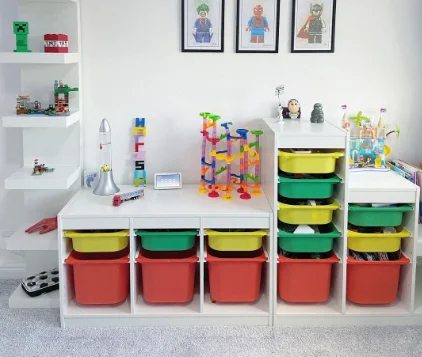
Toys are an essential part of childhood, and they play a crucial role in a child's development. However, as much as we love our children's toys, they can quickly become overwhelming and cluttered. A cluttered toy organizer system not only makes it difficult to find specific toys but also creates a chaotic and stressful environment for both parents and children.
Maintaining a clutter-free toy organizer system is essential for keeping your home organized and your child's toys accessible. In this guide, we will provide you with practical tips and tricks to help you maintain a clutter-free toy storage system.
- Declutter and Organize:
The first step in maintaining a clutter-free toy storage system is to declutter and organize your child's toys. Start by going through all the toys and sorting them into three piles: keep, donate, and throw away. Keep only the toys that your child plays with regularly and are in good condition. Donate or give away toys that your child has outgrown or no longer plays with. Throw away any broken or damaged toys.
Once you have decluttered, it's time to organize. Sort the toys into categories such as puzzles, board games, dolls, cars, etc. Use storage bins, baskets, or shelves to keep the toys organized. Label each bin or basket with the category of toys it contains to make it easier for your child to find and put away toys.
- Rotate Toys:
Rotating toys is an excellent way to keep your child's toy storage system clutter-free. Instead of keeping all the toys out at once, rotate them every few weeks. This not only keeps the toys fresh and exciting for your child but also reduces clutter.
To rotate toys, keep some toys out and store the rest in a closet or storage area. After a few weeks, switch the toys out, and bring out the ones that were stored away. This way, your child will have a new set of toys to play with, and you can keep the clutter under control.
- Set Limits:
Setting limits is crucial in maintaining a clutter-free toy storage system. Set a limit on the number of toys your child can have at any given time. This will not only help you keep the clutter under control but also teach your child the value of taking care of their toys.
You can set a limit based on the size of your child's toy storage system or the number of toys they can fit in a specific bin or basket. Once your child reaches the limit, they will have to choose which toys to keep and which ones to donate or give away.
- Involve Your Child:
Involving your child in maintaining a clutter-free toy storage system is essential. Teach your child the importance of keeping their toys organized and encourage them to help you declutter and organize their toys.
Make it a fun activity by turning it into a game or a challenge. For example, you can set a timer and see how many toys your child can put away in five minutes. Or you can challenge them to find all the toys that belong in a specific category.
- Clean Regularly:
Regular cleaning is essential in maintaining a clutter-free toy storage system. Set a schedule for cleaning your child's toy storage system, and stick to it. This will not only keep the toys clean but also prevent clutter from building up.
Clean the storage bins, baskets, and shelves regularly to remove any dust or dirt. Wipe down the toys with a damp cloth or disinfectant wipes to keep them clean and germ-free.
Maintaining a clutter-free toy storage system is essential for keeping your home organized and your child's toys accessible. Declutter and organize your child's toys, rotate them regularly, set limits, involve your child, and clean regularly to keep the clutter under control. With these practical tips and tricks, you can maintain a clutter-free toy storage system and create a stress-free environment for both parents and children.
评论
发表评论