Self-watering planters are becoming increasingly popular among gardening enthusiasts, and for good reason. These innovative planters are designed to take the guesswork out of watering your plants, making it easier than ever to keep them healthy and thriving. But how do self-watering planters work, and what are their benefits? In this article, we will explore the magic behind self-watering planters and explain why you should consider adding one to your collection.
What Are Self-Watering Planters?
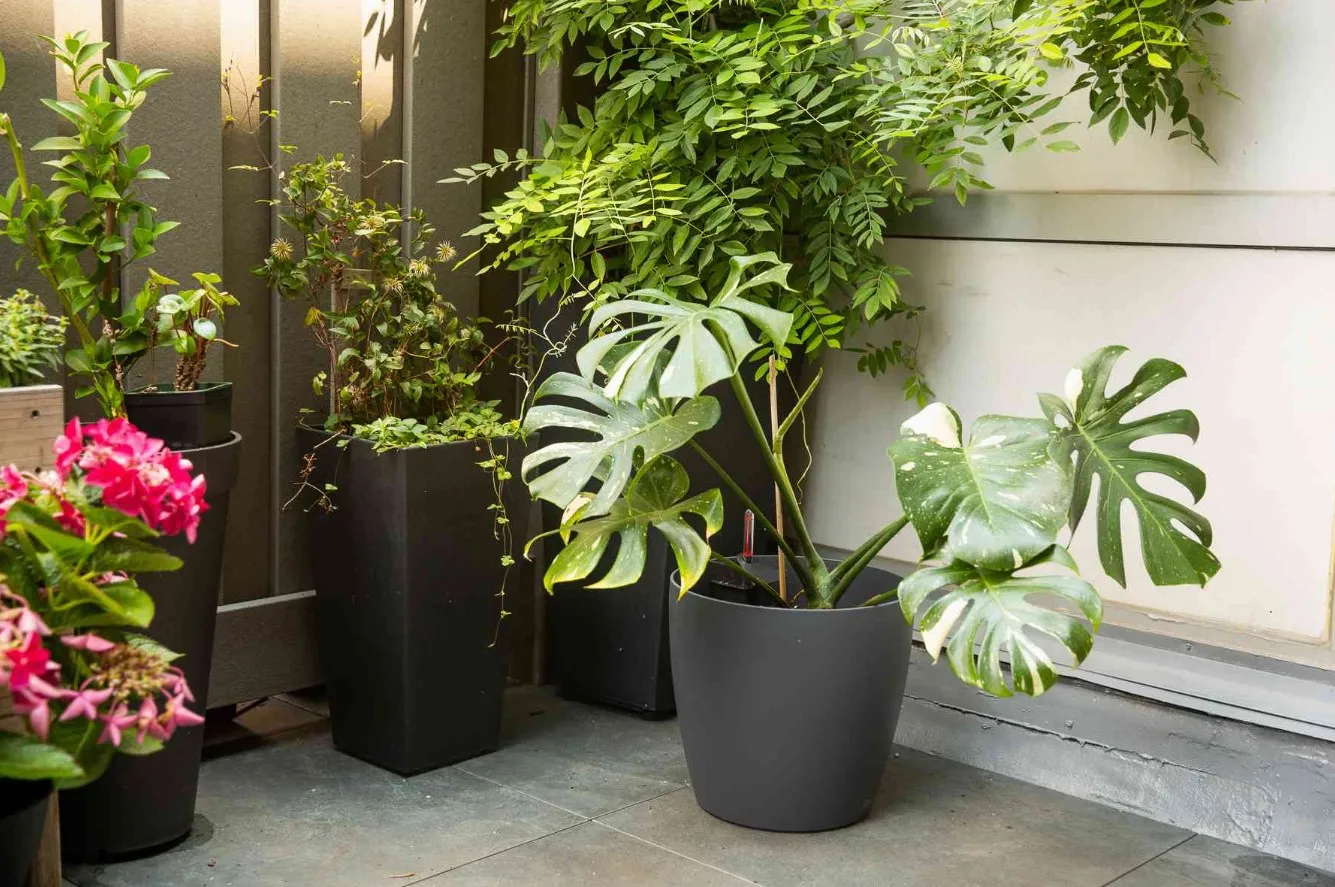
Self-watering planters, also called sub-irrigation planters, are containers that have a built-in water reservoir that provides a consistent supply of moisture to your plants. They work by using a wicking system that draws water from the reservoir up into the soil as the plant needs it. This means that your plants will only take up the amount of water they need, preventing over or under watering.
How Do Self-Watering Planters Work?
Self-watering planters work by using a combination of a water reservoir, a wicking system, and a drainage system. The water reservoir is located at the bottom of the planter, and it is separated from the soil by a barrier such as a plastic liner or a layer of wicking material. The wicking system consists of a porous material, such as a piece of felt or a strip of fabric, that is placed in the water reservoir and extends up into the soil. The drainage system allows excess water to escape from the container, preventing waterlogging.
When you fill the water reservoir, the wicking material draws water up into the soil, providing your plants with a consistent supply of moisture. As the soil dries out, the wicking material continues to draw water up from the reservoir, ensuring that your plants never go thirsty. This system also prevents water from sitting in the bottom of the container, which can lead to root rot and other problems.
The Benefits of Self-Watering Planters
Self-watering planters offer a number of benefits over traditional planters. Here are just a few reasons why you should consider using a self-watering planter:
They Save Time and Effort
One of the biggest benefits of self-watering planters is that they require less maintenance than traditional planters. Because the reservoir provides a consistent supply of moisture, you won't have to water your plants as often. This makes self-watering planters ideal for busy people or those who are new to gardening.
They Prevent Over and Under Watering
Overwatering or underwatering can be a major problem for plants, leading to root rot, wilting, and other issues. Self-watering planters prevent these problems by providing a consistent supply of moisture to the roots.
They Are Good for the Environment
Self-watering planters are an environmentally friendly option for gardeners as they only provide the necessary amount of water to plants, conserving water usage. This feature can benefit those who prioritize sustainability and want to reduce their environmental impact while maintaining healthy and thriving plants.
They Are Versatile
Self-watering planters are versatile and come in various sizes and styles. They are suitable for both indoor and outdoor use and can accommodate different types of plants, including herbs, succulents, flowers, and vegetables. With so many options available, you can easily find a self-watering planter that fits your needs and matches your decor.
In conclusion, self-watering planters are a game-changer for anyone who loves gardening but struggles with watering their plants. With their innovative design and numerous benefits, it's no wonder that more and more people are choosing self-watering planters for their homes and gardens. Whether you're a seasoned gardener or just starting out, a self-watering planter is a smart investment that will help your plants thrive.
评论
发表评论