Turtles are fascinating creatures that go through many stages of life, from hatching from their nests on the beach to living in a tank as a pet. In this article, we will explore the life journey of a turtle, from nest to tank.
Hatching From the Nest
Turtles begin their journey in a nest on a beach. The female turtle lays her eggs in a hole in the sand, then covers them up and leaves them to incubate. After about two months, the eggs hatch, and the baby turtles emerge from the sand.
The newly hatched turtles instinctually start to crawl towards the water, following the light of the moon reflecting on the waves. They are vulnerable to predators during this journey, but many will make it to the safety of the ocean.
Early Life in the Ocean
Once the baby turtles reach the water, they become part of the planktonic community, which includes tiny plants, animals, and other organisms that drift on the ocean currents. The baby turtles feed on plankton, and as they grow, they move up the food chain and start to eat small fish and crustaceans.
During this time, the turtles are subject to many dangers, such as pollution, fishing nets, and predation. Only a small percentage of hatchlings will survive to adulthood.
Maturing and Migrating
As the turtles mature, they move into different regions of the ocean and start to migrate, traveling long distances to find food, mate, and nest. Some species of turtles will travel thousands of miles during their migrations.
During this time, turtles face new dangers, such as pollution, habitat loss, and hunting. Many countries allow the hunting of turtles and their eggs, which has contributed to the decline of turtle populations around the world.
Nesting on the Beach
When female turtles reach maturity, they return to the beach where they were born to lay their own eggs. They dig a hole in the sand, lay their eggs, and cover them up before returning to the ocean.
The number of eggs a female turtle lays can vary from species to species, but it can be over 100. After another two-month incubation period, the baby turtles hatch and make their way to the water, starting the cycle anew.
Life in a Tank
For some lucky turtles, their life journey may take them from the ocean to a tank in someone's home. Pet turtles can be purchased from pet stores or breeders, and they require a different set of care requirements than their wild counterparts.
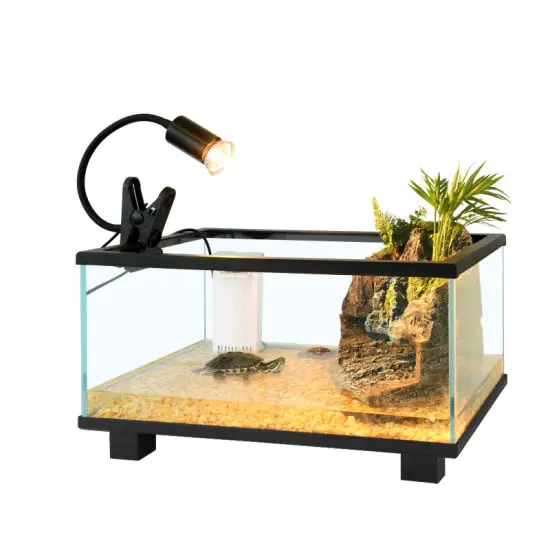
When setting up a turtle tank, it is important to provide enough space for the turtle to move around, as well as a heat lamp and UVB light, which are essential for their health. Turtles in a tank need a varied diet that includes plants, insects, and meat.
It is important to keep the tank clean and well-maintained, as turtles are susceptible to bacterial infections that can be harmful to their health.
The life journey of a turtle is filled with challenges and obstacles, from hatching on a beach to surviving in the ocean, to migrating and nesting on the beach, and sometimes ending up in a tank. Turtles play an important role in the ecosystem, and it is our responsibility to protect them and their habitats.
For those who have turtles as pets, it is important to provide them with proper care and attention, as they have unique needs that require special consideration. By understanding the life journey of a turtle, we can appreciate these amazing creatures and work to ensure their survival in the wild and in our homes.
评论
发表评论