Are you tired of constantly watering your plants and worried about water waste? Self-watering planters may be the solution you need! Not only do they save time and effort, but they also conserve water, making them an eco-friendly choice for gardeners. In this article, we will guide you through the steps of making your own self-watering planters, so you can enjoy a sustainable and thriving garden.
Materials Needed:
Plastic containers or buckets (with lids)
Drill
Potting soil
Plant pot
Water-absorbing material (such as coconut coir or cotton rope)
Water meter (optional)
Scissors
Water
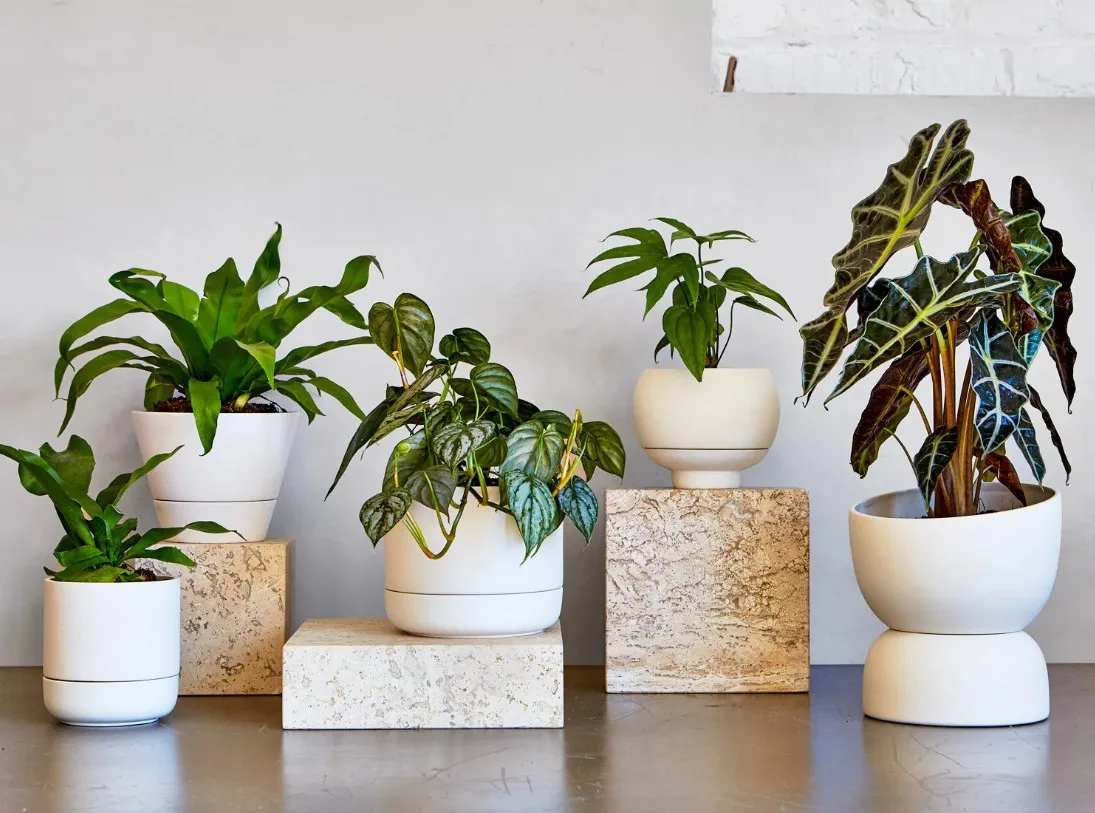
Step 1: Preparing the Container
When selecting a container for your self-watering planter, choose a plastic container or bucket with a lid that can accommodate the size of your plant pot. It's important to drill a hole in the center of the lid that is slightly bigger than the diameter of the pot to allow water to flow into the pot and ensure the soil remains moist. The hole should be big enough to allow water to pass through, but not so big that the pot falls through. This simple step will help create a self-sustaining watering system for your plants, saving you time and effort while ensuring your plants thrive.
Step 2: Adding Water-Absorbing Material
To complete your self-watering planter, place your chosen water-absorbing material (such as coconut coir or cotton rope) into the pot and extend it through the hole in the lid. It's important to make sure the material is long enough to reach the bottom of the container and the soil in the pot. This is because the water-absorbing material acts as a wick, drawing water from the container and delivering it to the soil where your plant can access it. This simple yet effective technique can help maintain the proper moisture levels for your plant, making it easier to care for and ensuring it thrives in its new home.
Step 3: Filling the Container with Water
Once you have placed the water-absorbing material in the pot and extended it through the lid, fill the container with water until it reaches just below the lid. The water-absorbing material will then absorb the water and transfer it to the soil, enabling your plant to access the water it needs without any wastage. This method of watering is ideal for those who want to conserve water, as it reduces the likelihood of overwatering and ensures that plants receive just the right amount of moisture to thrive.
Step 4: Adding Potting Soil and Plants
After filling the plant pot with potting soil, carefully place your plant in it. Then, insert the pot into the hole on the lid, making sure it fits tightly. The soil in the pot will absorb water from the wick and the container, creating a self-watering system for your plant. This innovative system ensures that your plant gets the right amount of water without the risk of over or under watering. Additionally, this method is particularly useful for those who have a busy schedule and cannot water their plants regularly. Your plant will thrive in this self-sustaining environment.
Step 5: Monitoring Water Levels
If you want to monitor the water levels in your self-watering planter, you can use a water meter. Place the meter into the soil and check the reading regularly. If the reading is low, add more water to the container.
Making your own self-watering planters is a simple and sustainable solution for gardeners who want to conserve water and reduce their environmental impact. With just a few materials and a little effort, you can create a thriving garden that is both beautiful and eco-friendly. So why not give it a try and see the benefits of self-watering planters for yourself?
评论
发表评论